

Introduction:
In today’s digital world, data is one of the most valuable assets for businesses, marketers, researchers, and developers. From email lists and product catalogs to competitor analysis and SEO research, collecting structured data efficiently can give you a significant advantage. This is where lisrctawler comes into the picture.
Lisrctawler is a term increasingly associated with list crawling, automated data extraction, and web scraping workflows designed to collect organized lists of information from websites. Whether you are a beginner trying to understand how list crawlers work or an advanced user looking to improve data accuracy and scale, this guide will walk you through everything you need to know.
In this article, we will explore what lisrctawler is, how it works, its use cases, benefits, challenges, best practices, and future potential.
Table of Contents
What Is Lisrctawler?
Lisrctawler refers to a system, tool, or methodology used to crawl websites and extract list-based data in a structured and automated way. Unlike general web crawlers that index entire websites, lisrctawler focuses on:
- Lists of items
- Repeating data patterns
- Structured or semi-structured information
Examples of list data include:
- Product listings on eCommerce websites
- Blog post archives
- Business directories
- Job listings
- Contact or email lists (where legally allowed)
The main purpose of lisrctawler is to save time, reduce manual effort, and ensure data consistency when dealing with large volumes of web-based information.
How Lisrctawler Works
To understand lisrctawler better, it helps to break down its process into simple steps.
Target Identification
The crawler first identifies the target website or webpage that contains list-based data. This could be a category page, directory, or paginated list.
Pattern Recognition
Lisrctawler detects repeating patterns such as:
- HTML tags
- CSS classes
- XPath or DOM structures
These patterns allow the crawler to understand where each list item starts and ends.
Data Extraction
Once patterns are identified, lisrctawler extracts specific fields such as:
- Titles
- URLs
- Prices
- Descriptions
- Dates
- Metadata
Pagination Handling
Most lists span multiple pages. Lisrctawler automatically follows pagination links or infinite scrolling logic to collect complete datasets.
Data Storage
The extracted data is then saved in structured formats such as:
- CSV
- Excel
- JSON
- Databases
This makes the data easy to analyze, filter, or integrate with other tools.
Common Use Cases of Lisrctawler
Lisrctawler is widely used across multiple industries due to its flexibility and efficiency.
SEO and Digital Marketing
SEO professionals use lisrctawler to:
- Crawl competitor blog posts
- Extract keyword-rich titles
- Monitor content publishing frequency
- Analyze internal linking structures
This helps marketers refine content strategies and stay competitive.
eCommerce and Price Monitoring
Online sellers and analysts rely on lisrctawler for:
- Product list extraction
- Price comparison
- Stock availability tracking
- Category analysis
This data supports better pricing strategies and market positioning.
Lead Generation and Market Research
When used ethically and legally, lisrctawler can help gather:
- Business listings
- Company profiles
- Publicly available contact information
This is especially useful for B2B research and outreach planning.
Academic and Data Research
Researchers use lisrctawler to collect:
- Large datasets
- Public records
- Online archives
Automated crawling ensures accuracy and repeatability in research.
Benefits of Using Lisrctawler
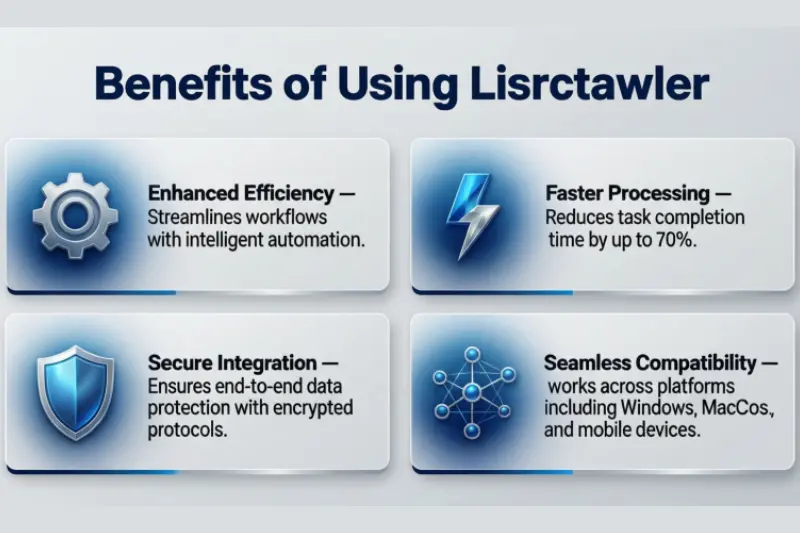
Using lisrctawler offers several key advantages over manual data collection.
- Time Efficiency
- Manually copying data from hundreds of pages is slow and error-prone. Lisrctawler automates this process in minutes.
- Scalability
- Whether you need 100 items or 1 million records, lisrctawler scales effortlessly with the right configuration.
- Accuracy and Consistency
- Automation reduces human error and ensures uniform data extraction across all pages.
- Customization
- Lisrctawler workflows can be customized to extract only the fields you need, reducing data noise.
- Cost Effectiveness
- Once set up, lisrctawler reduces long-term operational costs by minimizing manual labor.
Lisrctawler vs Traditional Web Crawlers
While both tools crawl websites, there are important differences.
Traditional web crawlers:
- Index entire websites
- Focus on link discovery
- Are optimized for search engines
Lisrctawler:
- Targets list-based pages
- Focuses on structured data
- Is optimized for extraction and analysis
This specialization makes lisrctawler far more effective for data-focused tasks.
Challenges and Limitations of Lisrctawler
Despite its advantages, lisrctawler is not without challenges.
Website Restrictions
Some websites use:
- Anti-bot protections
- CAPTCHAs
- Rate limiting
These measures can block or slow down crawling.
Changing Website Structures
If a website changes its HTML structure, extraction rules may break and require updates.
Data Quality Issues
Incomplete pages, duplicate entries, or inconsistent formatting can affect data accuracy.
Legal and Ethical Concerns
Not all data is legally allowed to be scraped. Misuse can lead to:
- Legal issues
- Account bans
- Reputational damage
Responsible use is essential.
Best Practices for Using Lisrctawler
To get the most out of lisrctawler, follow these best practices.
- Respect Robots.txt
- Always check a website’s robots.txt file to understand what is allowed.
- Use Rate Limiting
- Avoid overwhelming servers by setting reasonable request intervals.
- Validate Extracted Data
- Regularly clean and validate your datasets to remove duplicates and errors.
- Monitor Changes
- Periodically review extraction rules to adapt to site updates.
- Follow Legal Guidelines
- Ensure compliance with local laws, data protection regulations, and website terms of service.
Tools and Technologies Behind Lisrctawler
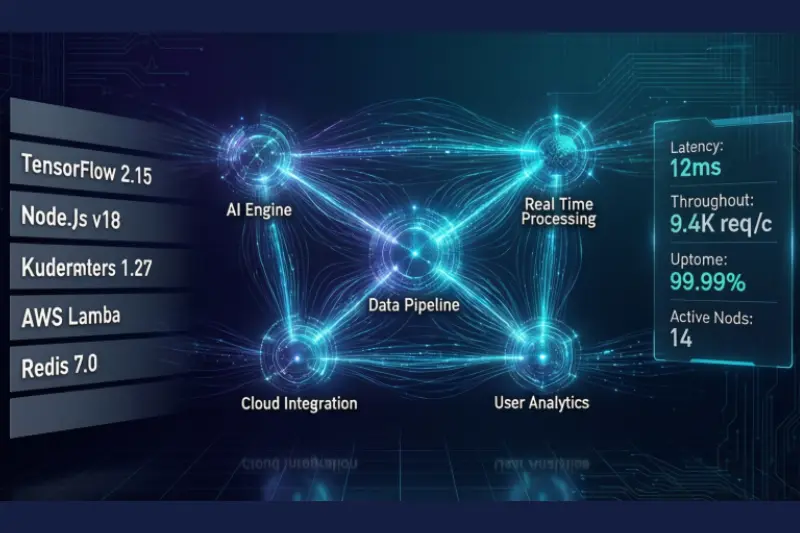
Lisrctawler implementations often rely on modern technologies such as:
- Python-based scraping frameworks
- Headless browsers for JavaScript-heavy sites
- HTML parsers and selectors
- Proxy rotation systems
- Cloud-based crawling infrastructure
These technologies improve reliability and performance while reducing detection risks.
Future of Lisrctawler
As the web continues to evolve, lisrctawler is also advancing.
- AI-Powered Crawling
- Machine learning can help detect patterns automatically, reducing manual configuration.
- Better JavaScript Handling
- Modern lisrctawler systems are improving at crawling dynamic, single-page applications.
- Ethical Data Collection
- There is a growing focus on transparency, consent, and compliance in data extraction.
- Integration with Analytics Tools
- Future lisrctawler platforms will seamlessly connect with BI tools and dashboards for real-time insights.
Who Should Use Lisrctawler?
Lisrctawler is ideal for:
- SEO professionals
- Digital marketers
- Data analysts
- Researchers
- eCommerce businesses
- Developers
If your work involves collecting, analyzing, or monitoring list-based web data, lisrctawler can significantly improve efficiency.
Frequently Asked Questions (FAQs)
What is lisrctawler used for?
Lisrctawler is used to crawl websites and extract structured, list-based data such as product listings, directories, blog archives, and job postings automatically.
Is lisrctawler the same as web scraping?
Lisrctawler is a specialized form of web scraping that focuses specifically on list-based content rather than entire websites or random pages.
Can beginners use lisrctawler?
Yes, beginners can use lisrctawler tools with basic configuration, especially those that offer visual selectors or no-code interfaces.
Is using lisrctawler legal?
Lisrctawler is legal when used responsibly-only on publicly accessible data and in compliance with website terms, robots.txt, and data protection laws.
What industries benefit most from lisrctawler?
Industries such as SEO, digital marketing, eCommerce, research, lead generation, and data analytics benefit the most from lisrctawler.
Final Thoughts on Lisrctawler
Lisrctawler represents a powerful approach to structured data extraction in an increasingly data-driven world. By focusing specifically on list-based content, it delivers higher accuracy, better scalability, and greater efficiency than general crawling methods.
However, like any automation tool, its success depends on responsible usage, proper configuration, and ongoing maintenance. When used ethically and strategically, lisrctawler can become an essential asset for research, marketing, and business intelligence.
As web technologies evolve, lisrctawler will continue to adapt-making it a future-proof solution for anyone serious about data collection and analysis.
