

Introduction
Leading a tour might look easy from the outside smiling, walking around, and pointing out landmarks. But anyone who’s actually tried it knows the real challenge: keeping everyone’s attention, juggling questions, and making sure no one gets left behind. One moment your group is hanging on your every word, the next they’re distracted by their phones or wandering off.
That’s where learning how to tour guide effectively comes in. It’s not just about knowing facts it’s about storytelling, engagement, and smooth organization.
In this guide, you’ll discover practical tips, essential skills, and insider secrets to help you run tours that are not only informative but genuinely memorable. By the end, you’ll be ready to captivate any group and handle common challenges with confidence.
Table of Contents
Why Being a Great Tour Guide Matters
Being a tour guide is more than just showing people around it’s about creating an experience they’ll remember long after the trip ends. A great guide doesn’t just convey facts; they make history, culture, and stories come alive.
First Impressions Count
From the moment you greet your group, your energy and professionalism set the tone for the entire tour. A confident, friendly introduction immediately puts participants at ease and signals that they’re in capable hands. Even something as simple as maintaining eye contact, smiling, and speaking clearly can make a huge difference in how the group perceives you.
Creating Memorable Experiences
Tours aren’t just a list of facts or landmarks; they’re stories waiting to be told. Think about weaving little anecdotes, local legends, or interesting behind-the-scenes tidbits into your tour. For example, instead of just pointing out a historic building, share a quirky story about someone who lived there or a dramatic event that happened on the street. These little details stick with people and make your tour unforgettable.
Managing Groups Effectively
Handling a group of varying ages, attention spans, and energy levels can be tricky. Good tour guides know how to pace their tours, keep everyone engaged, and ensure safety at all times. This means planning breaks, watching for signs of fatigue or distraction, and adjusting your delivery based on the group’s mood. A well-managed group feels comfortable, included, and attentive and that’s the hallmark of a great tour.
May be you like it:
Top Jobs for Women in Tech – Careers That Empower
AI Tools for Lit Review – Streamline Your Research Fast
The Teacher’s Guide – Tips, Tools & Strategies for Success
Software Testing Review – Tools, Tips & Best Practices
Essential Skills for Tour Guides
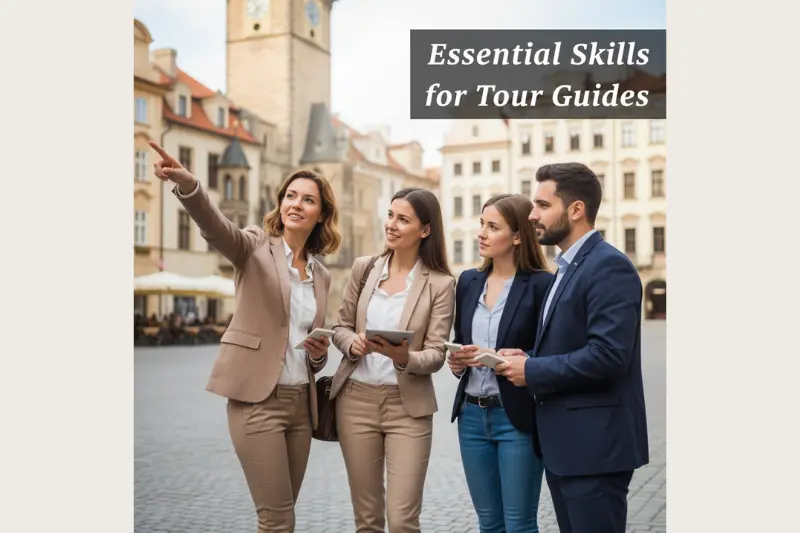
Being a successful tour guide isn’t just about knowing the facts it’s about how you deliver them, how you adapt, and how you connect with your group. Let’s break down the key skills every guide should master.
Communication Skills
Clear communication is the backbone of a great tour. This isn’t just about speaking loudly enough for everyone to hear it’s about storytelling, tone, and pacing. Engage your audience with anecdotes, humor, or interesting facts. For example, when describing a historical site, a vivid story about someone who lived there will stick far more than dates and names alone.
Adaptability & Quick Thinking
Tours rarely go exactly as planned. Maybe the weather changes, a site closes unexpectedly, or a participant has a special request. Being adaptable allows you to handle these situations smoothly. Quick thinking helps you keep the tour flowing without losing energy or focus. For instance, having a backup indoor activity or rerouting on the spot can save the day.
Cultural & Historical Knowledge
Confidence comes from expertise. Tour guides should have a deep understanding of the culture, history, and context of the places they visit. It’s not just about memorizing facts it’s about being able to answer questions accurately and add meaningful insights. The more knowledgeable you are, the more trust and engagement you’ll inspire in your group.
Observation & Awareness
A great guide reads the room or in this case, the group. Notice when people seem confused, bored, or restless. Pay attention to body language and adjust accordingly. Maybe it’s time to slow down, tell a story, or ask a question to re-engage the audience. Being observant ensures everyone feels included and valued throughout the tour.
Tools and Resources That Help
The right tools can take your tours from good to unforgettable. They help you stay organized, engage your audience, and present information in a clear, compelling way.
Technology for Tours
Modern tour guides have a wealth of tech at their fingertips. Apps like GPS-enabled maps, audio guides, and tour management platforms make navigation and information delivery easier than ever. For example, using a mobile map app can help you show historical routes or landmarks in real time, giving participants a richer experience.
Planning & Organization Tools
A well-planned tour runs smoothly. Tools like digital itineraries, checklists, and schedules ensure you don’t miss a beat. Even simple spreadsheets can track stops, timings, and key talking points. The more organized you are, the more confident you’ll feel, and the smoother the experience for your group.
Visual Aids and Props
Physical or digital visuals can bring your stories to life. Photos, artifacts, or handouts help illustrate points and keep participants engaged. For instance, showing an old photograph of a landmark while explaining its history creates a stronger connection than words alone. Visual aids give depth and context, making your tour memorable and immersive.
Tips for Engaging Your Audience
Keeping a tour group interested and involved is both an art and a science. The best guides know how to make information come alive and connect with people on a personal level.
Tell Stories, Not Just Facts
Instead of rattling off dates and statistics, frame your tour around stories. A tale about a historical figure, a local legend, or a quirky event turns dry facts into memorable experiences. For example, describing a battle is much more engaging if you include the human drama and decisions involved suddenly, the history feels real.
Ask Questions and Encourage Interaction
Inviting participants to contribute keeps them alert and invested. Simple questions like, “What do you think happened next?” or “Can anyone spot this feature in the building?” get people thinking and talking. Interaction not only maintains attention but also makes the tour feel dynamic rather than one-sided.
Use Humor and Relatable Examples
Light humor can break the ice and make your tour more enjoyable. Share funny anecdotes, witty observations, or small personal experiences related to the site. Even a quick, well-timed joke about your own mishaps as a guide can make you more relatable and approachable.
Adjust Your Pace
A tour’s energy should match the group’s needs. Pay attention to how quickly people are walking, how focused they seem, and when they might need a short break. Slowing down for questions or speeding up to maintain momentum ensures everyone stays engaged without feeling rushed or fatigued.
May be you like it:
How to Write a Winning Resume for Lab Tech Roles
AI Rap Name Generator – Create Your Unique Stage Name
How to Tour Guide – Skills, Tips & Secrets for Great Tours
Top Software Therapy Reviews – Find the Best Tools Today
Handling Common Challenges
Even the most experienced tour guides face obstacles. Being prepared and adaptable helps you maintain professionalism and keep your group engaged no matter what comes up.
Difficult Participants
Every group has someone who asks endless questions, wanders off, or challenges your guidance. Patience and diplomacy are key. Address concerns calmly, redirect politely, and involve them positively. For instance, assigning a curious participant a small “spotting” task can keep them engaged without disrupting others.
Weather or Logistics Issues
Unexpected rain, closures, or transport delays can throw off your schedule. Adaptation is critical. Have backup indoor locations, alternative routes, or flexible timing. A quick, confident adjustment not only keeps the tour on track but reassures your participants that everything is under control.
Group Dynamics
Groups are made up of different personalities, energy levels, and attention spans. A successful guide balances attention by alternating between storytelling, interactive questions, and observation-based activities. Recognizing who needs more engagement and who might need space ensures everyone feels included and valued.
Professional Development for Tour Guides
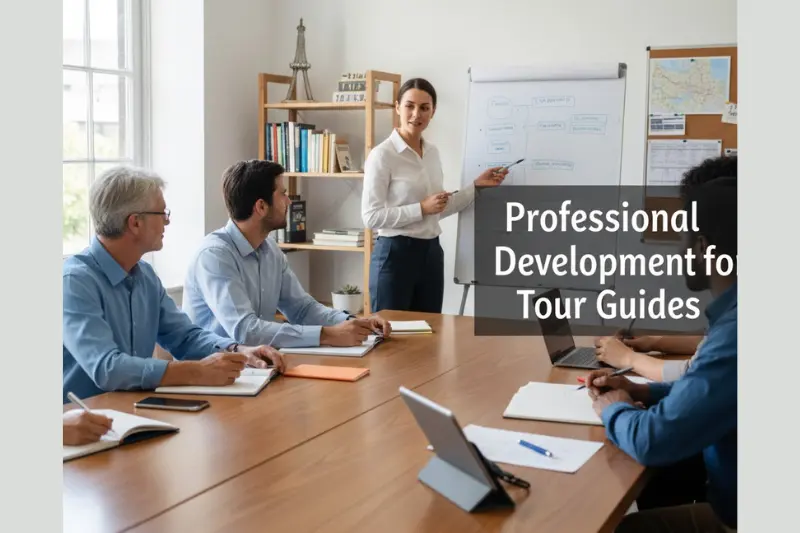
Even experienced guides benefit from ongoing growth. Professional development keeps your skills sharp, knowledge current, and tours fresh and engaging.
Training & Certification Opportunities
Formal courses, workshops, and mentorship programs provide structured learning for guides. Certifications can boost your credibility and open doors to new opportunities. For example, a historical site might prefer guides who’ve completed specialized heritage training it signals professionalism and expertise.
Networking With Other Guides
Connecting with fellow guides is invaluable. Sharing experiences, challenges, and tips with peers can spark new ideas and techniques. Online communities, local associations, or meetups are great ways to exchange insights and learn from others’ successes (and mishaps).
Continuous Learning
A guide’s job is never static. Staying updated on local history, cultural shifts, or even new storytelling techniques keeps your tours relevant and compelling. Regularly reading, attending talks, or exploring new sites ensures you’re always ready to provide fresh perspectives for your audience.
FAQs About How to Tour Guide
What qualities make a great tour guide?
Patience, clear communication, adaptability, and strong storytelling skills are essential. A great guide connects with the group and makes the experience memorable.
Can anyone learn how to tour guide?
Yes! While some people have a natural flair, the skills can be developed with training, practice, and observation of experienced guides.
How do I keep large groups engaged?
Use interactive techniques like asking questions, sharing stories, splitting into smaller groups for activities, and pacing your tour to maintain energy and attention.
What tools help make tours smoother?
Apps for maps, digital itineraries, audio guides, visual props, and checklists can help you stay organized and enhance the participant experience.
How can I handle unexpected challenges on a tour?
Stay calm, have backup plans, communicate clearly with your group, and adapt on the fly whether it’s weather changes, site closures, or group dynamics.
Conclusion
Becoming a successful tour guide isn’t about memorizing every fact or walking perfectly on schedule. It’s about combining strong skills, careful preparation, the right tools, and genuine audience engagement. When you bring all of these together, you create tours that people remember long after they leave.
Every tour is an opportunity to share stories, spark curiosity, and make connections. Your passion, attention to detail, and adaptability truly matter they’re what turn an ordinary walk through a city or historic site into an unforgettable experience. By focusing on learning how to tour guide effectively, you’re setting yourself up to lead tours with confidence, professionalism, and lasting impact.
May be you like it:
Armour Tech Pavers – Durable & Stylish Outdoor Solutions
Top AI Tools Transforming Work in 2025
Fishing Guides Lake Conroe TX – Expert Tips & Local Trips
