

Introduction
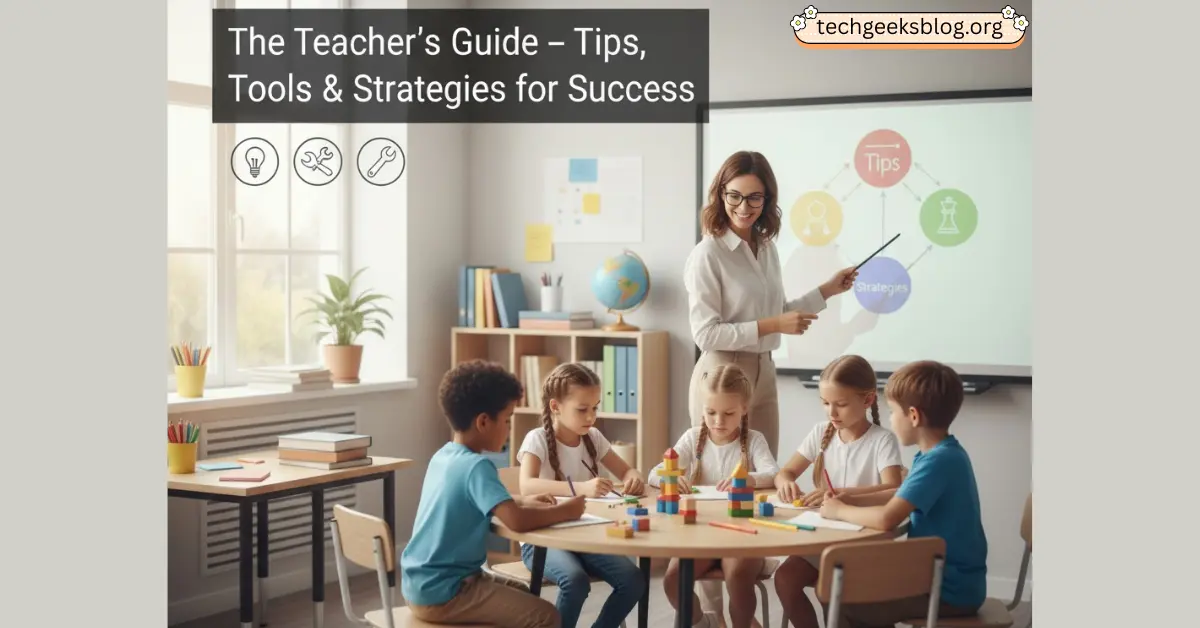
Teaching can be incredibly rewarding, but let’s be honest it’s not always easy. Between planning lessons, keeping students engaged, grading assignments, and juggling countless small tasks, it’s easy to feel stretched thin.
That’s where The Teacher’s Guide comes in. Think of it as your roadmap for navigating the everyday challenges of teaching from classroom management to effective lesson planning.
Table of Contents
Why Planning Matters in Teaching
Effective teaching starts with thoughtful planning. Without it, even the most engaging lessons can feel chaotic, and students may struggle to achieve learning outcomes.
Setting Clear Objectives
Every lesson should have clear, achievable goals. Objectives guide both you and your students, providing a roadmap for what needs to be learned. When students understand the purpose of a lesson, they’re more focused and motivated. For example, instead of “Learn about photosynthesis,” try “Explain the process of photosynthesis and how it supports plant growth.” Specific objectives make progress measurable.
Efficient Lesson Planning
Planning doesn’t have to be a time sink. Using templates, digital planners, or apps like Google Classroom and Planboard can streamline the process. Organizing lessons in advance helps you stay consistent and reduces stress during the week. Even a simple spreadsheet with topics, objectives, and activities can save hours over the semester.
Balancing Flexibility and Structure
Even the best plans need breathing room. Unexpected questions, classroom dynamics, or teachable moments will arise, and flexibility allows you to adapt. Structuring your lessons with built-in discussion time or optional activities keeps things organized while accommodating spontaneity. Think of it as a roadmap with alternative routes you’re prepared but not rigid.
May be you like it:
Top Jobs for Women in Tech – Careers That Empower
AI Tools for Lit Review – Streamline Your Research Fast
The Teacher’s Guide – Tips, Tools & Strategies for Success
Software Testing Review – Tools, Tips & Best Practices
Classroom Management Strategies
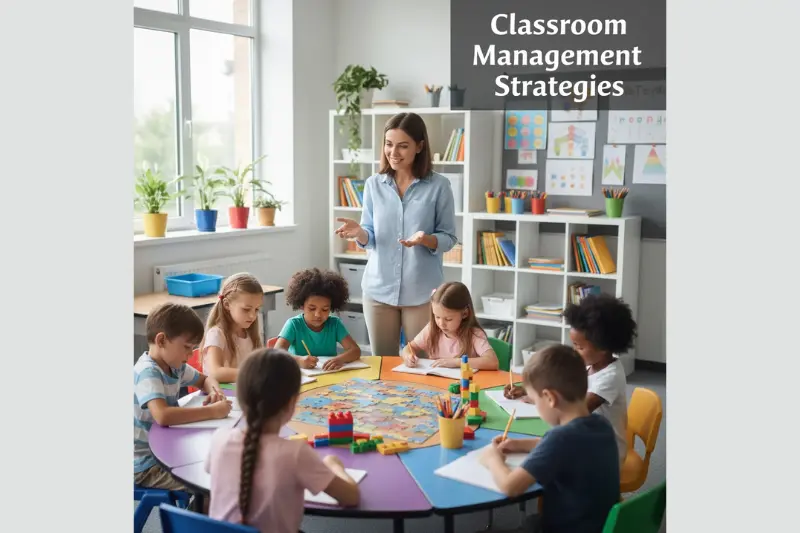
A well-managed classroom creates a safe, focused environment where students can learn effectively. Strong management doesn’t mean strict control it’s about fostering respect, structure, and engagement.
Building Rapport
Building genuine relationships with your students can prevent many behavioral issues before they start. Learn their names quickly, show interest in their lives, and acknowledge their achievements. Even small gestures, like asking how someone’s weekend went, can build trust and make students more receptive to guidance.
Establishing Clear Rules
Consistency is the backbone of classroom management. Clearly communicate your expectations from day one and stick to them. When students know the boundaries and consequences, the classroom runs more smoothly. Rules should be simple, fair, and consistently enforced to avoid confusion or frustration.
Positive Reinforcement
Catch students doing something right. Praise, recognition, or small rewards often work far better than focusing on mistakes. Highlighting positive behavior encourages repetition and contributes to a more encouraging classroom culture. For example, a quick “I love how you explained that concept” can boost confidence and engagement.
Handling Disruptions Calmly
Disruptions are inevitable, but how you respond matters. Instead of reacting impulsively, take a step back and address the situation thoughtfully. Calm, measured responses prevent escalation and model the behavior you expect from students. Sometimes a quiet word or private conversation is more effective than addressing it publicly.
Tools Every Teacher Should Know
The right tools can make a huge difference in teaching efficiency and student engagement. Leveraging technology wisely allows you to focus on teaching, not just managing tasks.
Digital Platforms for Engagement
Interactive platforms like Kahoot, Quizlet, and Nearpod turn lessons into engaging experiences. Quizzes, polls, and collaborative activities help students stay involved while making learning fun. For example, a quick Kahoot quiz at the end of a lesson can reinforce key concepts and provide instant feedback.
Organization & Productivity Tools
Staying organized is half the battle. Tools like Trello, Notion, or Evernote help you manage lesson plans, track grading, and store resources in one place. Even a simple digital checklist can save hours compared to traditional paper planning. These apps also make it easy to adjust plans or share resources with colleagues.
Assessment and Feedback Tools
Assessment doesn’t have to be time-consuming. Google Forms, Socrative, and Edpuzzle allow you to quickly gather student responses, analyze results, and provide feedback. Using these tools ensures your assessments are consistent, timely, and actionable helping students improve while keeping you on top of your workload.
Encouraging Student Participation
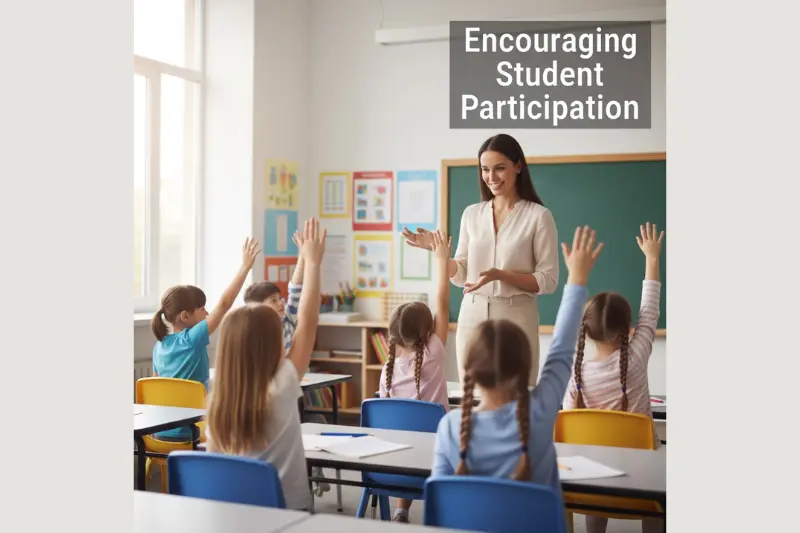
Active participation is key to deeper learning and engagement. When students feel involved, lessons become more dynamic and meaningful.
Ask Open-Ended Questions
Instead of simple yes/no questions, encourage students to explain their thinking, analyze situations, and debate ideas. Open-ended questions foster critical thinking and give students the opportunity to express their understanding in their own words. For example, ask, “How would you solve this problem differently?” instead of “Is this correct?”
Group Work and Collaboration
Structured group activities encourage peer learning and teamwork. Assign roles within groups, set clear objectives, and provide guidance to ensure productive collaboration. Students often learn as much from each other as they do from the teacher, and collaboration helps develop communication skills essential for life beyond the classroom.
Make Learning Relevant
Students engage more when they see the practical value of what they’re learning. Relate lessons to real-life situations, current events, or students’ personal interests. For instance, using real-world data in a math lesson or current news in social studies can make abstract concepts tangible and memorable.
May be you like it:
How to Write a Winning Resume for Lab Tech Roles
AI Rap Name Generator – Create Your Unique Stage Name
How to Tour Guide – Skills, Tips & Secrets for Great Tours
Top Software Therapy Reviews – Find the Best Tools Today
Professional Development Tips
Teaching is a constantly evolving profession. Staying proactive about your growth not only improves your skills but also inspires your students.
Stay Updated With Trends
Education is always changing, from new teaching methodologies to emerging classroom technologies. Following blogs, listening to podcasts, and attending webinars can keep you informed and spark fresh ideas for your lessons. Even dedicating 15–20 minutes a day to professional reading can make a noticeable difference over time.
Network With Other Educators
Connecting with peers provides both support and inspiration. Join online communities, local teacher groups, or professional organizations to exchange ideas, share resources, and discuss challenges. Networking often leads to creative solutions that you might not have discovered alone.
Reflect and Adjust
Regular reflection is essential for growth. After each lesson or unit, ask yourself: What worked? What didn’t? What could I do differently next time? Small adjustments based on reflection can significantly improve teaching effectiveness and student outcomes over time.
FAQs About The Teacher’s Guide
What is The Teacher’s Guide?
It’s a practical resource offering tips, tools, and strategies to improve teaching effectiveness and classroom management.
Can beginners benefit?
Absolutely. The guide is designed for both new and experienced teachers looking to refine their skills.
Does it include digital tool recommendations?
Yes, it highlights apps and platforms for planning, engagement, and assessment.
Will it help with student engagement?
Definitely. The strategies focus on keeping students motivated, involved, and interested in learning.
Is it suitable for all grade levels?
Yes, while examples may vary, the core strategies apply across elementary, middle, and high school classrooms.
Conclusion
The Teacher’s Guide isn’t just a list of tips it’s a roadmap for success in the classroom. By combining thoughtful planning, the right tools, effective strategies, and ongoing professional growth, you can create an environment where both you and your students thrive.
Remember, teaching isn’t about perfection; it’s about progress. Every lesson, every adjustment, and every small improvement adds up over time. With the right mindset and resources, you can make your classroom a place of engagement, learning, and inspiration.
May be you like it:
Armour Tech Pavers – Durable & Stylish Outdoor Solutions
Top AI Tools Transforming Work in 2025
Fishing Guides Lake Conroe TX – Expert Tips & Local Trips
