

Introduction
You’ve just finished coding a new feature, hit “run,” and… fingers crossed, it works. Sound familiar? Even the most experienced developers face moments of uncertainty like this. That’s why software review in software engineering is so crucial.
At its core, a software review is a process where peers examine each other’s code not to criticize, but to catch errors early, improve quality, and share knowledge across the team. It’s like having a safety net that also teaches everyone a little something along the way.
In this post, we’ll dive into practical tips, real-world insights, and best practices for software reviews. Whether you’re a junior developer learning the ropes or a senior engineer guiding a team, these strategies will help you write better code, collaborate more effectively, and boost overall project quality.
Table of Contents
Why Software Review in Software Engineering Matters
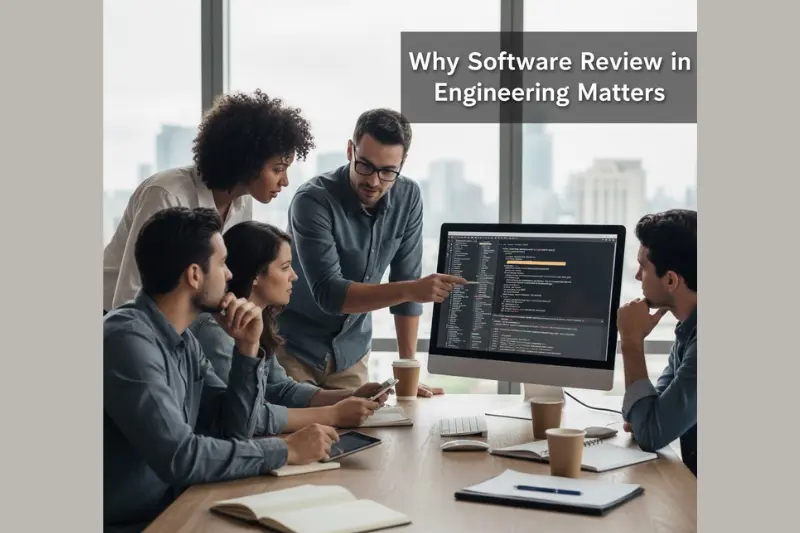
Think of software reviews as a safety net for your code. Even the most experienced developers make mistakes, and catching them early can save hours or even days of rework. Spotting errors before they reach production isn’t just about preventing bugs; it’s about saving time, money, and a lot of stress.
Beyond catching mistakes, reviews naturally improve code quality. When multiple eyes examine the same code, inconsistencies are spotted, best practices are reinforced, and the team develops a shared understanding of what “clean code” should look like.
Software reviews are also a powerful tool for knowledge sharing. Junior developers can pick up tips and techniques from senior teammates, while experienced developers benefit from fresh perspectives and new approaches. It’s a two-way street that strengthens the whole team.
Finally, peer reviews enhance team collaboration and accountability. They create an environment where everyone feels responsible for the codebase, encouraging communication, constructive feedback, and a culture of continuous improvement.
May be you like it:
Top Jobs for Women in Tech – Careers That Empower
AI Tools for Lit Review – Streamline Your Research Fast
The Teacher’s Guide – Tips, Tools & Strategies for Success
Software Testing Review – Tools, Tips & Best Practices
Best Practices for Effective Software Review
A good software review is more than just spotting errors it’s about improving code quality, fostering learning, and strengthening collaboration. Here are some practical ways to make your reviews more effective.
Keep Reviews Focused and Bite-Sized
Big, sprawling reviews can overwhelm both reviewers and authors. Aim for smaller chunks of code roughly 200–400 lines at a time.
Example: In one project, the team initially reviewed 1,000 lines at once and often missed subtle errors. When they switched to 300-line reviews, feedback became sharper, and the turnaround time improved by nearly 30%. Smaller reviews make suggestions easier to act on and reduce reviewer fatigue.
Use a Clear Checklist
A checklist ensures that reviews are structured and objective. Include items like coding style, test coverage, security, and readability.
Tip: Ask questions such as, “Would someone else understand this code in six months?” or “Is there a simpler way to achieve this?” Structured reviews minimize subjectivity and ensure consistency across the team.
Provide Constructive Feedback
Pointing out mistakes is easy, but guiding improvement is more effective. Frame your feedback as suggestions rather than criticism.
Mini insight: Many teams follow a “praise + suggestion” approach highlight one strength, then offer one improvement. This keeps morale high and makes feedback easier to accept.
Automate Where It Helps, Not Replaces
Linters, CI tools, and automated tests can catch formatting issues, failed tests, or obvious errors quickly. However, human insight is crucial for assessing readability, maintainability, and architectural decisions. Automation should assist the reviewer, not replace them.
Make Peer Review Part of the Culture
Peer review works best when it’s embedded into the team’s workflow. Encourage a positive review mindset, rotate reviewers to spread knowledge, and celebrate improvements discovered during reviews. When reviews are seen as learning opportunities rather than chores, the process becomes smoother, faster, and far more valuable.
Common Challenges and How to Overcome Them

Even the most organized teams run into obstacles when it comes to software reviews. Recognizing these challenges early can make the process smoother and more productive.
Time Pressure
Deadlines can make reviews feel like an extra burden. The solution? Keep them small and frequent. Short, focused reviews of 200–400 lines prevent bottlenecks and reduce stress while still catching critical issues. Think of it as a quick checkpoint rather than a marathon session.
Defensiveness
It’s natural for developers to feel defensive when their work is critiqued. Encouraging a learning mindset can change that. Remind your team that feedback is about improving code, not judging the coder. Framing comments as suggestions or questions keeps discussions constructive and collaborative.
Inconsistent Standards
Disagreements often arise when there’s no shared benchmark. A style guide and checklist provide clear expectations for coding quality and review standards. When everyone follows the same rules, reviews become less about debate and more about improvement.
May be you like it:
How to Write a Winning Resume for Lab Tech Roles
AI Rap Name Generator – Create Your Unique Stage Name
How to Tour Guide – Skills, Tips & Secrets for Great Tours
Top Software Therapy Reviews – Find the Best Tools Today
Tools That Make Software Review Easier
While human insight is irreplaceable, the right tools can make software reviews faster, more organized, and less stressful.
GitHub / GitLab
These platforms are excellent for integrated workflows. Pull requests let reviewers comment directly on lines of code, suggest edits, and track changes. Everything stays in one place, making collaboration seamless.
Crucible / Review Board
For teams that want more structure and analytics, these tools offer dashboards, review histories, and metrics to track performance. They help ensure reviews are consistent and measurable over time.
Linters & Static Analyzers
Automated tools catch formatting issues, syntax errors, or security vulnerabilities quickly. They save time on routine checks so reviewers can focus on higher-level concerns like readability, maintainability, and design decisions.
Wrapping It Up: Reviews as a Growth Opportunity
Software review in software engineering isn’t just about catching mistakes it’s a chance to learn, collaborate, and continuously improve. Every review is an opportunity to see your code through someone else’s eyes, pick up new techniques, and refine your own skills.
Here’s a question to reflect on: Am I giving my reviewer a real chance to help me improve? Approaching reviews with curiosity rather than defensiveness transforms them from a routine task into a genuine growth opportunity for both you and your team.
Embracing peer reviews strengthens not just the codebase, but the entire development culture. When done right, they foster trust, knowledge sharing, and a sense of shared responsibility helping teams deliver better software while growing together.
FAQs
How often should software reviews happen?
Ideally, reviews should occur with every significant code change, typically through pull requests or merge requests. Frequent, smaller reviews catch issues early and prevent bottlenecks, whereas infrequent, large reviews can be overwhelming.
Can automated tools replace software reviews?
Not entirely. Automation is great for catching syntax errors, style issues, or failed tests, but it can’t assess readability, maintainability, or design choices. Human insight is essential for nuanced, high-quality feedback.
Who should review the code?
Peers with relevant experience are ideal, but rotating reviewers is beneficial. This spreads knowledge across the team, prevents blind spots, and ensures multiple perspectives shape the codebase.
How long should a review take?
Keep reviews bite-sized roughly 30–60 minutes for 200–400 lines of code. Longer sessions can reduce focus and increase the likelihood of missing issues. Shorter, frequent reviews are far more productive.
How do you handle disagreements in code review?
Focus on the code, not the coder. Use style guides, team norms, or objective best practices to resolve disputes. Framing comments as suggestions rather than directives keeps the conversation constructive.
Conclusion
Software review in software engineering is more than a quality checkpoint it’s a chance to learn, collaborate, and continuously improve. Done right, it strengthens code quality, spreads knowledge across the team, and builds a culture where everyone feels responsible for delivering their best work.
Next time you submit or review code, pause and ask yourself: Am I giving my reviewer a real chance to help me improve? That mindset transforms reviews from a routine task into a genuine growth opportunity for both the code and the people behind it.
May be you like it:
Armour Tech Pavers – Durable & Stylish Outdoor Solutions
Top AI Tools Transforming Work in 2025
Fishing Guides Lake Conroe TX – Expert Tips & Local Trips
