

Introduction: Why Grenada Lake is a Crappie Hotspot
Have you ever wondered why anglers from all over flock to Grenada Lake when crappie season hits? It’s not just luck – this lake is a genuine hotspot for crappie fishing, thanks to its mix of shallow coves, deep channels, and abundant natural cover that attracts schools of fish year-round. But here’s the thing: knowing where to cast your line can make the difference between a long, empty day and a bucket full of fish.
That’s where Crappie Guides at Grenada Lake come in. These experts don’t just know the lake – they know the subtle shifts in water, the seasonal behavior of crappie, and the little tricks that turn an average fishing trip into a memorable one. Whether you’re a beginner hoping to land your first crappie or a seasoned angler aiming to maximize your catch, a guide’s local insight can save you hours of trial and error while making the day more fun, relaxing, and successful.
By combining local knowledge, proven techniques, and a bit of hands-on teaching, these guides transform the experience from simple fishing to a full-on learning adventure. And the best part? Even if you’ve fished other lakes before, Grenada Lake’s unique environment always offers something new to discover.
Table of Contents
What Crappie Guides Do
When you hire Crappie Guides at Grenada Lake, you’re not just getting a boat driver – you’re getting a local expert who knows the lake like the back of their hand. Their main role is to take the guesswork out of fishing, showing you exactly where the crappie are biting, which bait works best, and how to adjust your technique depending on the water conditions.
Guides bring years of hands-on experience to the table. They understand the lake’s seasonal patterns, the subtle signs that signal active schools of crappie, and the nuances of weather, water temperature, and current that can impact your catch. Some even teach advanced techniques like jigging, slip bobber tactics, or trolling in the deeper channels – things that can be tricky to learn on your own.
A friend of mine once tried fishing Grenada Lake without a guide. After hours of drifting with little luck, he decided to hire a half-day guide the next weekend. Within the first 30 minutes, he had already caught more crappie than he did in his entire previous trip. The guide knew the exact spots, the right lure color for that day, and even how to position the boat to minimize disturbances in the water. That experience not only boosted his catch but also gave him confidence and skills he could use on future trips.
Beyond helping you catch fish, guides also make the experience enjoyable and educational. They answer questions, share stories about the lake, and give practical tips that you won’t find in online forums or fishing books. In short, a guide transforms a simple outing into a memorable, productive, and learning-rich adventure.
May be you like it:
Top Jobs for Women in Tech – Careers That Empower
AI Tools for Lit Review – Streamline Your Research Fast
The Teacher’s Guide – Tips, Tools & Strategies for Success
Software Testing Review – Tools, Tips & Best Practices
Best Time to Fish Crappie at Grenada Lake
Timing can make or break a fishing trip, and with Crappie Guides at Grenada Lake, you quickly realize that knowing when to fish is just as important as knowing where. Crappie are seasonal creatures – their behavior changes with water temperature, light, and spawning cycles – and local guides have the experience to match your fishing plan with the perfect timing.
Spring is perhaps the most exciting season. As water temperatures rise, crappie move into shallow waters for spawning. Experienced guides often target coves, brush piles, and submerged structures where crappie gather to lay eggs. Early mornings or late afternoons tend to be the most productive during this period because the fish are actively feeding and more visible near the surface.
Summer brings a different rhythm. Crappie may move deeper to cooler, shaded areas during the heat of the day. Guides often use techniques like vertical jigging or trolling in the deeper channels, adjusting lure colors and sizes to match the conditions. They also know to watch for cloudy or overcast days, which can trigger more active feeding even in warmer waters.
Fall and winter aren’t slow seasons either. In fall, crappie often school in open water, and guides can locate these schools using sonar and subtle water cues. Winter calls for patience and precision – slow presentations and careful placement of jigs are key, and a guide’s knowledge can save you hours of trial and error.
A seasoned guide will also share little hacks that make a huge difference, like which times of day the fish are more likely to bite depending on the season, or how slight changes in water clarity can affect lure choice. Following these tips doesn’t just improve your catch – it transforms your understanding of the lake, so each trip becomes more predictable and successful.
Top Fishing Spots on Grenada Lake
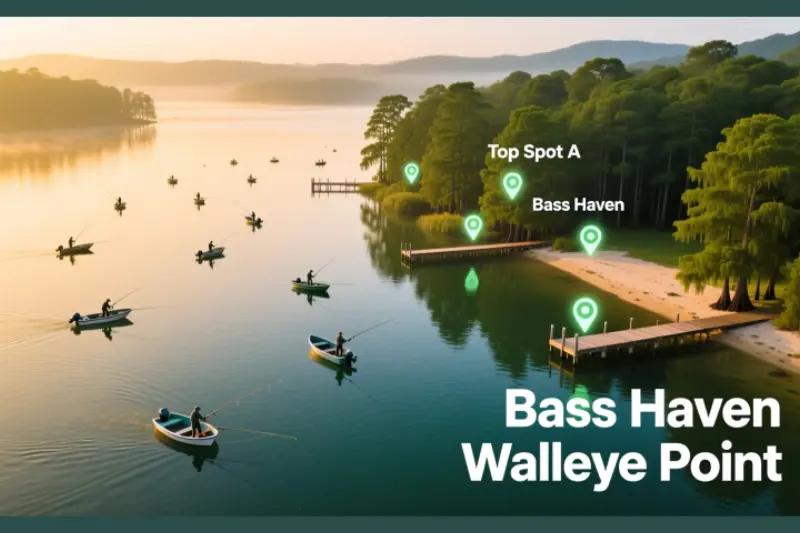
Grenada Lake is a large and diverse fishing destination, and part of what makes it a crappie hotspot is the variety of fishing spots it offers. From shallow coves to deep channels and hidden pockets that only locals know about, the lake provides a playground for anglers of all skill levels. But knowing where to fish isn’t always obvious – that’s where Crappie Guides at Grenada Lake make all the difference.
Shallow coves are perfect during the spring spawning season. Crappie move into these protected areas to lay eggs and feed, often around brush, fallen trees, or submerged vegetation. A guide can identify the most productive coves by subtle water patterns or landmarks that might be invisible to a first-time visitor.
Deep channels, on the other hand, become prime spots during hotter months. Here, crappie seek cooler water, and knowing the exact depths and currents can be critical. Experienced guides use their intimate knowledge of Grenada Lake’s contours, combined with sonar and observation, to pinpoint schools that might otherwise be missed.
Then there are the lesser-known areas – small backwaters, narrow inlets, or brush-filled pockets that only locals frequent. A guide who spends days on the lake will know when these spots are holding fish and how to approach them without spooking the crappie. For instance, a guide might position the boat quietly along a wind-protected shoreline or suggest a specific lure that mimics the natural forage in that area.
One client shared how a half-day guided trip turned a frustrating morning into a productive afternoon. The guide took them to a hidden brush pile that the client never would have found alone, and within minutes, they were landing crappie consistently. Stories like this are common – a guide’s knowledge transforms random luck into strategic success.
Techniques and Tactics for Catching Crappie
Catching crappie at Grenada Lake isn’t just about being in the right spot – it’s also about how you fish. This is where the expertise of Crappie Guides at Grenada Lake really shines. They know the subtle differences between rigs, baits, and fishing styles, and can tailor techniques to the conditions on any given day.
Bait selection is one of the first things guides teach. Live minnows are a classic choice and often irresistible to crappie, but artificial baits like soft plastic jigs, tube baits, or small spinnerbaits can be just as effective – sometimes even more so in clear water or when the fish are pressured. A guide will often experiment with color, size, and action until they find the combination that works best for the day.
Rigs and fishing styles also matter. Slip bobbers are great for controlling depth and keeping your bait in front of hungry crappie, especially in shallow or mid-depth waters. Jigging with lightweight lures works well in deeper channels, while trolling along drop-offs can cover more water and locate active schools faster. Guides know which method to use based on the time of year, water clarity, and even the wind direction.
Tips for different water conditions are invaluable. On bright, sunny days, crappie often move to shaded areas or deeper water, and a subtle presentation is key. Overcast or rainy days can make them more aggressive and willing to strike near the surface. Guides also pay attention to temperature shifts, barometric pressure, and even moon phases, all of which influence crappie behavior.
One memorable trip involved a client struggling to catch anything in a shallow cove. The guide suggested switching from a standard minnow to a tiny white tube jig and adjusting the depth slightly – within 15 minutes, the client had doubled their catch. Moments like these highlight the practical, hands-on value that a guide provides: it’s not just theory, it’s immediate, actionable insight that produces results.
Equipment Provided by Guides
One of the biggest advantages of hiring Crappie Guides at Grenada Lake is that you don’t have to worry about lugging gear or guessing which equipment will work best. Most guides provide everything you need for a successful day on the water – from rods and reels to boats, bait, and tackle. This means you can focus entirely on fishing and learning, rather than spending precious time setting up or troubleshooting gear.
A good guide comes fully prepared. They’ll bring properly rigged rods, the right size and color of jigs or minnows, and a boat that’s ready for navigating both shallow coves and deeper channels. Some even provide extras like fish finders, depth sounders, or rod holders, making your fishing experience smoother and more efficient.
This setup saves anglers a lot of hassle. Imagine showing up to the lake, only to realize your tackle isn’t suited for the depth or water clarity, or that your boat can’t reach the productive spots. Guides eliminate these headaches. They also help beginners understand how to use each piece of equipment correctly, which builds confidence and improves results.
I’ve seen clients arrive with minimal gear and walk away with a full day of successful crappie fishing – all thanks to a guide who had everything ready and knew how to optimize it. For anyone new to Grenada Lake, or even seasoned anglers looking to maximize their time, having the right equipment at hand is not just convenient – it’s a game-changer.
May be you like it:
How to Write a Winning Resume for Lab Tech Roles
AI Rap Name Generator – Create Your Unique Stage Name
How to Tour Guide – Skills, Tips & Secrets for Great Tours
Top Software Therapy Reviews – Find the Best Tools Today
Booking a Guided Trip
Planning a fishing trip to Grenada Lake is exciting, but choosing the right guide can make all the difference between an average day and a truly memorable experience. Crappie Guides at Grenada Lake vary in style, experience, and offerings, so a little research upfront goes a long way.
The first thing to consider is experience and local knowledge. A guide who has spent years on Grenada Lake knows the seasonal patterns, secret spots, and subtle water cues that aren’t obvious from maps or online research. They can tailor your trip to your skill level, whether you’re a complete beginner or a seasoned angler looking to fine-tune your technique.
Licensing and credentials are also important. A licensed guide ensures compliance with state regulations, safe boating practices, and ethical fishing standards. This protects both you and the lake’s ecosystem while giving peace of mind that you’re working with a professional.
Reviews and recommendations provide another layer of insight. Past clients often share details about the guide’s teaching style, knowledge, and success rate. Reading these reviews can give you a sense of whether the guide will meet your expectations and help you catch fish efficiently.
A simple approach: make a list of a few guides, check their credentials and online reviews, and then contact them with any questions. Ask about the gear they provide, typical trip durations, and what kind of experience you can expect. Even a brief conversation can reveal a lot about their style and whether it matches what you’re looking for.
Choosing the right guide isn’t just about booking a boat – it’s about selecting a partner in your fishing adventure, someone who can teach, guide, and ensure your time on Grenada Lake is both productive and enjoyable.
Tips for a Successful Fishing Trip
Even with the best guide, a little preparation on your part can make your day at Grenada Lake even more rewarding. Crappie Guides at Grenada Lake often emphasize that a successful trip isn’t just about skill – it’s also about weather, preparation, and mindset.
Weather matters more than most anglers realize. Calm, overcast days can be ideal for crappie, as the fish tend to be more active near the surface. Windy days might push crappie into sheltered areas, which your guide can help you find. Checking the forecast and being ready to adjust your plans ensures you’re fishing when the lake is at its best.
Preparation goes beyond packing rods and tackle. Bring appropriate clothing for sun, rain, or cool mornings, snacks and water to stay energized, and a sense of flexibility. Sometimes the fish won’t cooperate exactly as planned – and that’s where a guide’s knowledge turns a potential frustration into a learning opportunity.
Mindset is everything. Fishing can be unpredictable, and a patient, curious attitude often leads to better experiences. Guides will remind you that every trip is a chance to learn, whether you catch ten crappie or only a few. Enjoying the scenery, observing fish behavior, and experimenting with techniques all add value beyond the numbers on the scale.
A practical tip many guides share: set small goals for your day. Maybe you aim to master a new jigging technique or learn to read underwater structures. When you focus on learning as much as catching, the trip becomes more engaging and memorable. And, of course, following these tips – checking conditions, being prepared, and staying flexible – often maximizes both your catch and your overall enjoyment.
Sustainable Fishing Practices
Fishing at Grenada Lake is not just about catching crappie – it’s also about protecting the lake for future generations. That’s why Crappie Guides at Grenada Lake emphasize sustainable fishing practices, like proper catch-and-release techniques and careful handling of fish.
Catch-and-release isn’t just a trend; it’s a responsibility. Guides teach anglers how to gently remove hooks, minimize stress on the fish, and release them in a way that maximizes survival. Simple steps, like keeping the fish in water as much as possible and avoiding rough surfaces, make a big difference.
Handling fish safely goes hand in hand with catch-and-release. Even experienced anglers can inadvertently harm a crappie by squeezing too hard or letting it flop on the boat deck. Guides show the correct way to hold, measure, and release crappie, ensuring that each fish has the best chance of thriving in the lake.
Responsible angling also helps preserve the ecosystem. Grenada Lake is home to a delicate balance of species, and maintaining healthy fish populations keeps the lake productive and enjoyable for everyone. Guides emphasize that following these practices isn’t just about rules – it’s about respecting nature and enjoying the sport in a way that’s sustainable.
One client shared that learning proper handling techniques completely changed their approach to fishing. They realized it wasn’t just about the catch; it was about contributing to a healthy lake while still having an incredible, hands-on experience. That mindset is exactly what makes guided trips at Grenada Lake both fun and responsible.
FAQs
What exactly do Crappie Guides at Grenada Lake do?
They provide local expertise, show the best fishing spots, teach techniques, and often supply all necessary gear for a successful trip.
When is the best time to fish crappie at Grenada Lake?
Spring is ideal for shallow water spawning, but summer, fall, and even winter can be productive with the right techniques. Guides know the peak times.
Do I need my own equipment for a guided trip?
Most guides provide rods, bait, boats, and tackle, so you can focus on fishing and learning without worrying about gear.
How do I choose the right guide?
Look for local experience, proper licensing, and positive reviews from previous clients. A quick conversation can also reveal their style and approach.
Are guided trips sustainable for the lake’s ecosystem?
Yes. Guides teach proper catch-and-release methods and safe fish handling to protect crappie populations and maintain a healthy lake environment.
Conclusion & Takeaways
Fishing at Grenada Lake can be an unforgettable experience, but hiring Crappie Guides at Grenada Lake takes it to a whole new level. From knowing the best spots and understanding seasonal patterns to providing gear, teaching techniques, and emphasizing sustainable practices, a guide transforms an ordinary outing into a productive, educational, and truly enjoyable adventure.
The benefits are clear: you save time, avoid frustration, catch more fish, and walk away with skills and knowledge you can use on future trips. Beyond that, having a guide ensures you experience the lake safely, responsibly, and in a way that maximizes both fun and learning.
So, whether you’re a first-time angler or a seasoned pro, consider planning your next fishing trip with a local guide. Imagine arriving at Grenada Lake with confidence, knowing that every hour on the water is optimized for success – and leaving with not just fish in your bucket, but stories, insights, and memories that will last a lifetime.
Now is the perfect time to reach out, book your guide, and experience the difference firsthand. Your next great crappie adventure is waiting, and with the right expert by your side, it’s bound to be one for the books.
May be you like it:
Armour Tech Pavers – Durable & Stylish Outdoor Solutions
Top AI Tools Transforming Work in 2025
Fishing Guides Lake Conroe TX – Expert Tips & Local Trips
